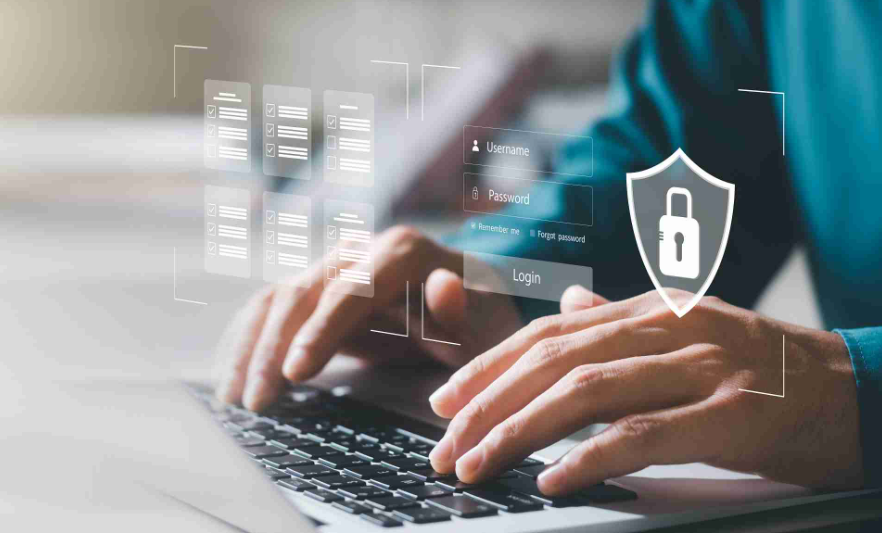
How to Protect Your Online Identity

In today’s digital landscape, protecting one’s online identity is paramount. Individuals face various risks, including identity theft and privacy breaches. Strengthening passwords and implementing two-factor authentication are essential first steps. However, these measures alone may not suffice. The sharing of personal information on social media can further expose vulnerabilities. Understanding how to navigate these challenges is crucial for maintaining security and anonymity online. Strategies exist to mitigate these risks effectively.
Understand the Risks of Online Exposure
How vulnerable is one’s online identity in today’s digital landscape?
With rampant online tracking and frequent data breaches, individuals face significant risks. Personal information can be easily harvested, leading to identity theft and privacy violations.
As the digital realm expands, understanding these threats becomes essential for maintaining autonomy. Awareness of these vulnerabilities empowers individuals to take necessary precautions to safeguard their online presence.
Strengthen Your Passwords and Authentication
A strong password is a fundamental barrier against unauthorized access, yet many individuals underestimate its importance.
Utilizing password managers can facilitate the creation and storage of complex passwords, enhancing security.
Additionally, implementing two-factor authentication significantly bolsters defenses by requiring a secondary verification method.
Together, these strategies form a robust framework, empowering individuals to safeguard their online identities against potential threats.
Be Cautious With Personal Information
Although sharing personal information online can facilitate convenience and connectivity, it also exposes individuals to significant risks.
Social media platforms often encourage data sharing, making users vulnerable to identity theft and privacy breaches.
Therefore, individuals must exercise caution, selectively sharing personal details and remaining vigilant about the information they disclose, ensuring that their online identity remains secure and protected from potential threats.
Utilize Privacy Settings and Tools
What measures can individuals take to safeguard their personal information online? Effective use of privacy tools and diligent settings management are essential.
Individuals should regularly review and customize privacy settings on social media platforms, web browsers, and mobile applications to limit data exposure.
Employing additional privacy tools, such as virtual private networks (VPNs) and encrypted messaging services, further enhances protection against unauthorized access.
Conclusion
In an age where sharing every detail of one’s life is practically a sport, the irony lies in the naive belief that online identity remains unscathed. As individuals parade their personal information, oblivious to lurking threats, the call for password strength and privacy tools grows louder. Ultimately, the true challenge is not merely in bolstering defenses but in recognizing that the most effective shield against identity theft may well be a healthy dose of discretion and a reluctance to overshare.